Why Cochrane Is More Than Just a Train Stop on the Way North

What draws people to Cochrane beyond the Polar Bear Express?
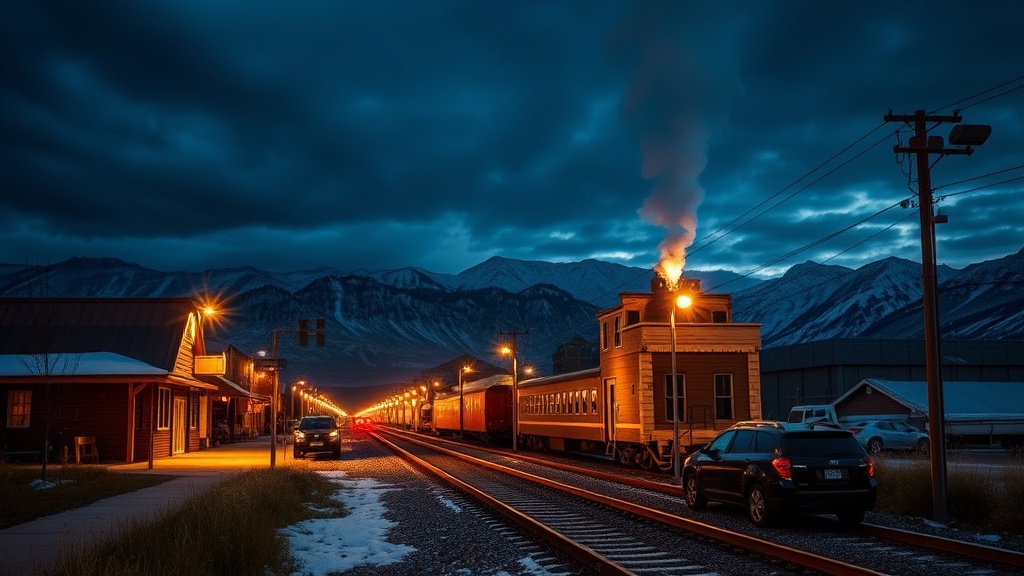
Most Ontarians think of Cochrane as the place where the train departs. They roll into town, park at the station on Railway Street, board the Polar Bear Express to Moosonee, and barely look around. That's a shame—because Cochrane has spent over a century building something worth staying for. Our town of roughly 5,000 residents sits at the junction of Highway 11 and the Ontario Northland Railway, sure—but reducing us to a departure point misses the point entirely. We've got the world's only polar bear facility dedicated solely to these animals, a heritage district that transports you back to 1908, and a community that's weathered three major fires and kept rebuilding with stubborn northern grit.
The misconception isn't entirely our fault. For decades, tourism brochures positioned Cochrane as the "Gateway to the North"—a phrase that sounds flattering but actually frames our community as a threshold rather than a destination. We are that gateway, no doubt. The Polar Bear Express remains one of Ontario's great rail experiences, whisking passengers through 186 miles of boreal forest to James Bay. But the gate itself has substance. We've got gold mines anchoring our economy, forestry mills that have employed generations, and a $10 lot program that's drawing new families from across the province. Cochrane isn't waiting to be discovered—it's already here, thriving, and quietly confident about what we offer.
Where can you see polar bears swimming in the world's largest enclosed lake?
The Cochrane Polar Bear Habitat sits seven hectares of natural landscape just off the main drag—and it's the only facility on Earth dedicated exclusively to polar bears in human care. Henry, Ganuk, and Inukshuk have over 25 acres to roam, including the world's largest enclosed lake for these animals. When you watch them swim through the underwater viewing tunnel, the power and grace of these bears becomes undeniable. This isn't a sad zoo exhibit; it's a research and conservation center where scientists study bear behavior, and where our community has invested real resources into understanding a species most Canadians will never encounter in the wild.
The Habitat anchors a broader complex that includes Heritage Village—a collection of replica buildings showing what Cochrane looked like in the early 1900s when the railway first arrived. Walk through the general store, the blacksmith shop, the trapper's cabin. Each structure contains artifacts donated by local families whose roots here go back generations. The Snowmobile Museum next door houses Ontario's largest public collection of vintage sleds, which matters more than you might think. Cochrane's winters are serious business, and the Polar Bear Riders Snowmobile Club maintains over 450 kilometers of groomed trails that draw enthusiasts from across North America. Our community doesn't shut down when the snow flies—we rev our engines.
What makes the Habitat special isn't just the bears. It's that our town built this. We're not a wealthy metropolis throwing tax dollars at attractions. We're a small northern community that decided polar bear conservation mattered enough to do it right. When you visit, you're supporting research that influences how these animals are cared for globally. That's something worth experiencing—and it's something you can only get here, in Cochrane.
How did a hockey legend from Cochrane become Canada's coffee king?
Tim Horton was born here in 1930, long before the double-double became a national institution. The Tim Horton Museum, located inside the Tim Horton Events Centre on 6th Avenue, tracks his journey from local kid to NHL defenseman to founder of a chain that defines Canadian mornings. The collection includes 568 pucks—representing every regular season and playoff point he scored—along with jerseys, photos, and memorabilia that hockey fans will appreciate.
The Events Centre itself is a point of local pride. It houses an NHL-sized rink, a community hall, and a fitness center that serves residents year-round. When the temperature drops to -30°C—and it does, regularly—families head here for public skating, hockey tournaments, and community gatherings. This is how Cochrane works: we build facilities that serve multiple purposes, that bring people together, that make winter survivable and even enjoyable.
The museum gets overshadowed by the Habitat, which is understandable—polar bears are hard to compete with. But Horton's story matters to our identity. He left Cochrane, made his name in Toronto and Buffalo, then built something that became ubiquitous. There's a parallel there with our town itself. We're not Toronto. We're not even North Bay. But we've got our own trajectory, our own contributions to make. The museum reminds us—and visitors—that significant things can originate from unlikely places.
Where do locals eat when they want a real meal?
After a day of bear watching and heritage exploring, you'll want food. Skip the chain options on the highway and head to the places that have served Cochrane for decades. J R Bar-B-Q Ranch has been feeding this town smoked meats and hearty portions since before most of us were born. The atmosphere is unpretentious, the portions generous, and the ribs have developed a reputation that draws people off the highway even when they aren't catching the train. Terry's Steakhouse, just down the road from the Habitat, serves cuts that remind you Ontario beef is serious business.
For accommodations, the Station Inn sits atop the historic train station itself—literally steps from where the Polar Bear Express departs. The rooms are contemporary, the hospitality distinctly northern, and the location unbeatable if you're rail-bound. The Best Western Swan Castle Inn anchors downtown, within walking distance of shops along our main street and close to Lee Golf Club if you've brought clubs. Both properties cater to snowmobilers, anglers, and hunters—our core tourism demographic for generations.
Speaking of which: Cochrane Air Services has operated here for over 40 years, running fly-in fishing and hunting trips to more than 30 remote outpost cabins. Walleye, pike, brook trout—these waters are productive, and the wilderness experience is genuine. You don't need to venture to Manitoba or Saskatchewan for serious fishing; it's available from our backyard, accessible by float plane or by the highway that brought you here.
What keeps people here after the train leaves?
The $10 lot program made national headlines in 2024, and for good reason. A community offering serviced lots for the price of a coffee run is making a statement: we want people to stay. Mayor Peter Politis has been clear that Cochrane's economy is diversified—gold mining, forestry, services, utilities we own and operate ourselves. This isn't a one-industry town waiting for the next bust cycle. We're building something.
That forward momentum coexists with respect for what came before. The Chimo statue—the giant white polar bear that welcomes visitors to Cochrane—has stood for decades as a photo opportunity and a symbol. The Lake Commando boardwalk gives residents a place to walk through natural bush back to downtown. Multi-use trails connect neighborhoods to the core. We own our phone, hydro, and IT utilities. We supply power to neighboring communities. These aren't features of a way station; they're features of a community that's planning for longevity.
So yes, take the Polar Bear Express to Moosonee. It's a remarkable journey through Ontario's boreal heart. But give yourself an extra day either side of that trip to actually experience Cochrane. Walk through Heritage Village. Watch Henry swim. Eat ribs at J R's. Talk to the locals who've chosen this life—who've stayed through brutal winters and economic uncertainty because something about this place holds them. We're not just the gate you pass through. We're the community that built the gate, that maintains it, that has stories of our own worth hearing.
"Cochrane isn't waiting to be discovered—it's already here, thriving, and quietly confident about what we offer."
The train will leave with or without you. But our town remains—stubborn, cold, welcoming, and entirely worth exploring on its own terms.