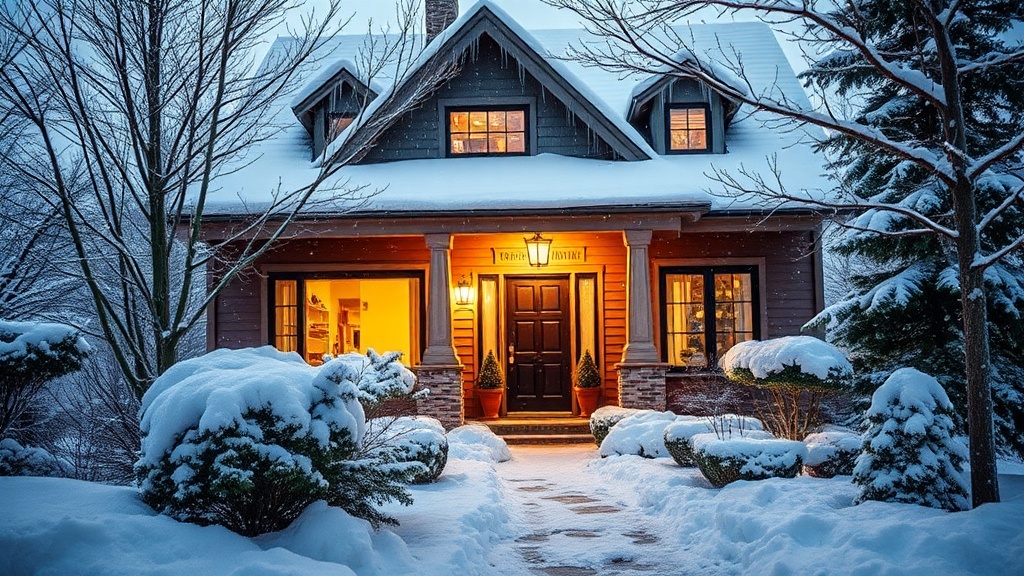
Preparing Your Home for a Cochrane Winter

Why You Can't Just Ignore the Cold in Cochrane
Most people think that if they have a decent furnace, they're set for the winter—but that's a mistake that can cost you thousands in Cochrane. Our winters aren't just cold; they're relentless. If you're living in a neighborhood like Springbank Hill or near the newer developments on the north side, you've likely noticed how the wind whips through the streets once the mercury drops. It isn't just about the temperature; it's about the pressure and the constant freeze-thaw cycles that hit our local infrastructure hard. We need to stop treating winter prep as an afterthought and start treating it as a survival tactic for our homes and our wallets.
In our community, a well-prepared home means less stress when the snow piles up on Highway 1A. Whether you're living in an older home near the downtown core or a newer build near the Centennial Park area, there are specific steps we all need to take to ensure we aren't dealing with a burst pipe or a frozen driveway in the middle of a January blizzard.
Where should I check for drafts in my house?
One of the biggest culprits for high heating bills in Cochrane is air leakage. You might think your windows are sealed, but even the best ones can let a draft in. I’ve seen neighbors near the Cochrane Creek area struggle with heat loss simply because they didn't check their door sweeps or window caulking. It's not just a minor annoyance; it's a leak in your budget.
Start by walking around your home during a windy evening. Listen for that whistling sound near the baseboards or windows. Check the weatherstripping on your exterior doors—the ones leading to the garage or the back deck. If the rubber is cracked or compressed, it's time for a replacement. You can find everything you need for these quick fixes at local hardware stores like Home Hardware in Cochrane, which is a staple for us when these projects arise. A little bit of caulking around your window frames can make a massive difference in how steady your indoor temperature stays.
- Check window seals for cracks or gaps.
- Inspect the weatherstripping on all exterior doors.
- Ensure basement windows are fully closed and locked.
- Look for gaps around electrical outlets on exterior-facing walls.
It's also worth looking at your attic insulation. If you've lived in your Cochrane home for more than a decade, your insulation might have settled. This is a major reason why upper floors feel much colder than the basement during a cold snap.
How do I prevent frozen pipes during a cold snap?
Nothing ruins a local morning faster than waking up to a puddle in the basement or a dead faucet. In Cochrane, the temperature can drop so fast that even a single night of extreme cold can cause issues. If you have pipes running through an unheated garage or a crawlspace, you're in the danger zone.
First, make sure your heat tape or heat cables are actually working if you have them installed. Second, if you're heading out for a few days, don't leave the house completely empty and cold. Leave the heat at a minimum of 15 degrees Celsius. If you have a shop or a detached garage near the industrial area, consider running a small space heater or ensuring those spaces are slightly heated to protect your plumbing. If you notice a pipe is getting too cold, wrapping it in an insulating sleeve can provide a much-needed buffer. You can learn more about home maintenance standards through the Government of Canada health and safety guidelines to ensure your living environment stays safe and habitable during extreme weather.
What are the best ways to manage snow and ice on my property?
Living in Cochrane means owning a snow shovel or, more likely, a snowblower. But how you manage the snow around your house can actually impact your home's health. If you're piling snow too high against your foundation, you're inviting moisture and heat loss. I always tell my neighbors to keep a clear perimeter around the house. If the snow reaches your siding or your window wells, you're asking for trouble when the melt starts.
For those of us with long driveways, investing in a good quality salt or sand is a must. However, be careful with how much you use near your landscaping, especially if you have a garden near the street. Too much salt can damage the soil and the plants you worked so hard to grow during the summer. If you're looking for professional-grade tools, check with local retailers who understand our specific climate needs. Keeping your walkways clear isn't just about safety; it's about preventing that dangerous black ice that forms on our local streets once the sun hits the pavement in the afternoon.
How can I save on heating costs this winter?
We all know the feeling of watching the utility bills climb. One of the most effective ways to manage this is by managing your thermostat intelligently. If you have a smart thermostat, use it to schedule temperature drops during the night or while you're at work. In a community like ours, where many people commute, this can save a significant amount over the course of a season.
Another tip is to be mindful of your heavy curtains. Closing them as soon as the sun goes down acts as an extra layer of insulation. This is especially helpful for homes with large windows that face the prevailing winds. It's a simple, free habit that adds up. For more technical advice on energy efficiency, the Natural Resources Canada website offers great resources on optimizing home heating systems.
Lastly, don't forget to change your furnace filter. A clogged filter makes your system work much harder, which increases your electricity and gas consumption. It's a small task, but it's one of the easiest ways to keep your Cochrane home running efficiently through the toughest months of the year.